Stainless steel tube splitter
Stainless steel tube splitter
Home / Products / Fiber Optic Products / Fiber Optic Coupler Series / FBT coupler / Stainless tube / Stainless steel tube splitter
Stainless steel tube splitter
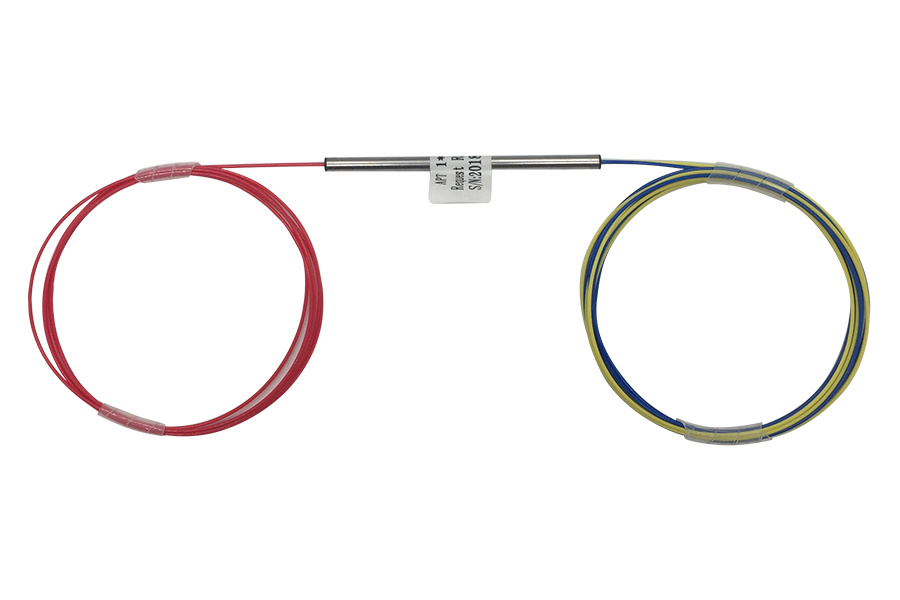
A fiber optic splitter is a device used to split and combine light energy. It distributes the light energy transmitted in one fiber to two or more fibers in a predetermined proportion, or combines the light energy transmitted in multiple fibers into one fiber.
Key features
- The loss is insensitive to the wavelength of the transmitted light and can meet the transmission needs of different wavelengths (1260-1650 nm). 2. Evenly splitting the signal, the signal can be evenly distributed to the user.
- Small size (such as 1 × 32 minimum size can be 4 × 7 × 50mm), can be directly installed in the existing various transfer boxes, no special design to leave a large installation space.
- A single device shunt channel can reach more than 32 channels.
- Multi-channel cost is low. The more the number of branches, the more obvious the cost advantage.
Application scope
- Fiber to the home (FTTH) projects
- Cable network TV (CATV)
- Passive optical network systems (EPON / BPON / GPON)
- Other optical splitting systems
- Local area networks (LAN) and access networks
- Metropolitan area networks (MAN)
More views
Related Products
Optical Transceivers Series
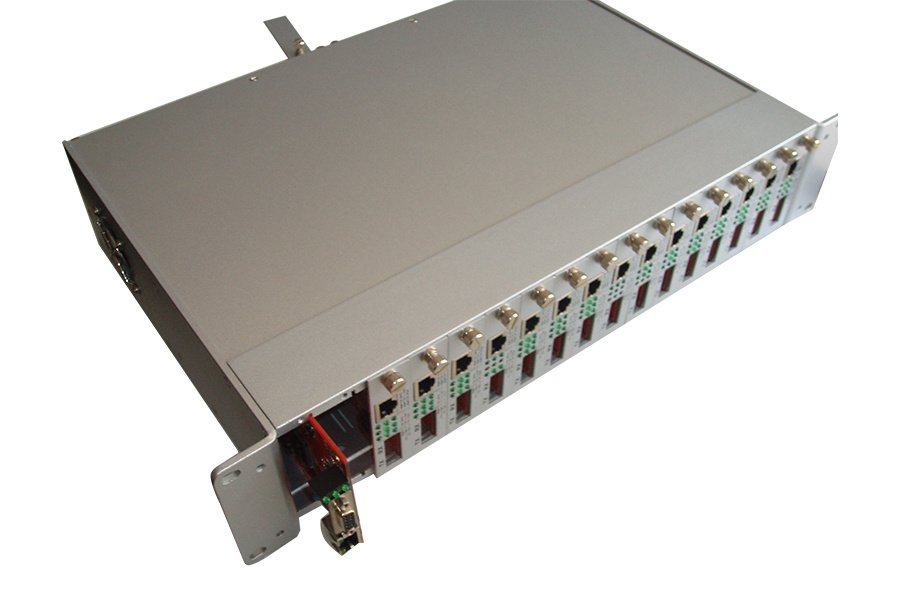
Rack-type managed fiber optic transceiver
Fiber optic transceivers can extend traditional 10M Ethernet or 100M Fast Ethernet over a fast Ethernet fiber link…
View details →
Horizontal type
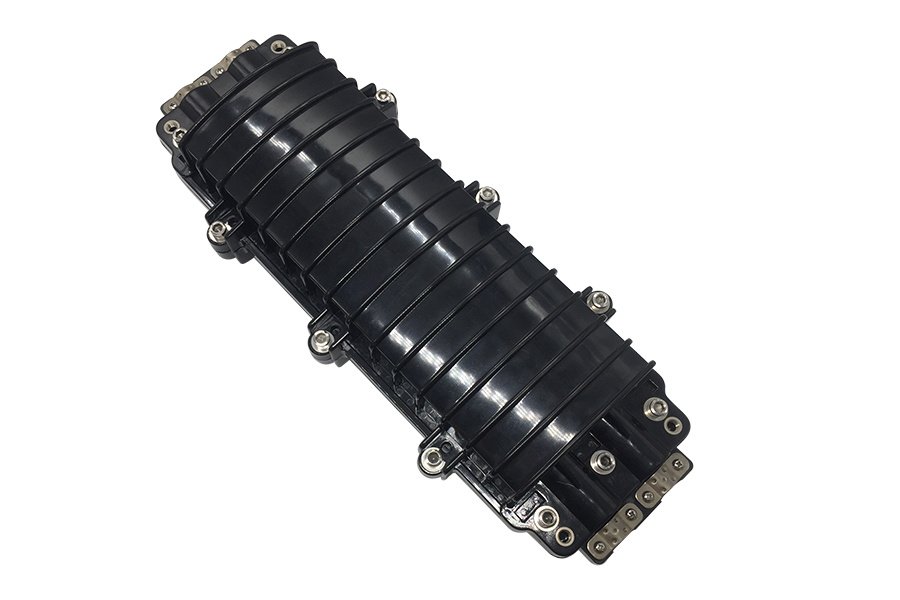
GY09-2 optical cable connection box
The product consists of four parts: outer casing, inner member, sealing element and optical fiber protection. Reliable sealing…
View details →
FC fiber optic connector
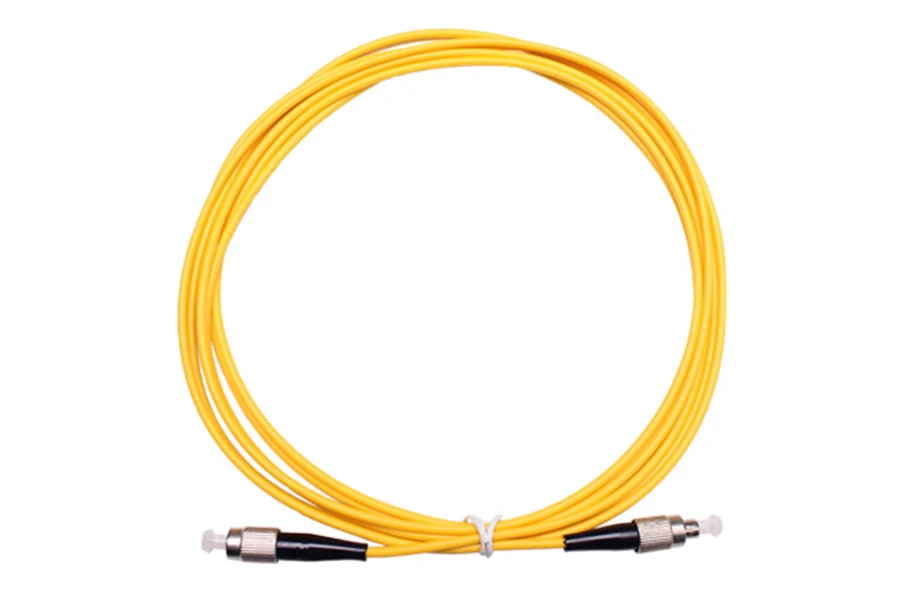
FC/UPC fiber optic connector
FC/UPC single-mode fiber optic connector with A-class ceramic ferrule — low insertion loss and high return loss for…
View details →
Stainless tube
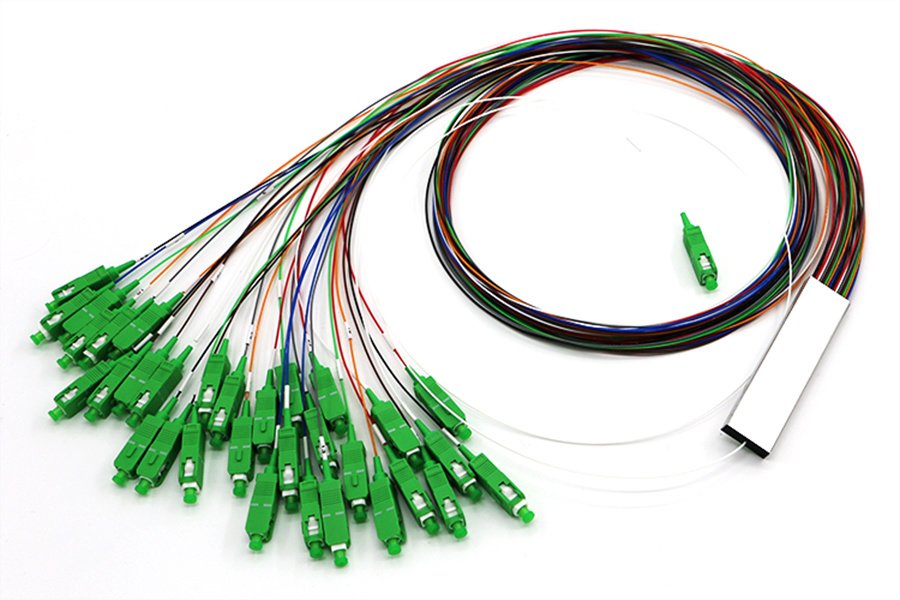
PLC Stainless tube splitter
Micro PLC optical splitter in a square stainless steel tube — 1×N and 2×N, low insertion loss, 0.9…
View details →